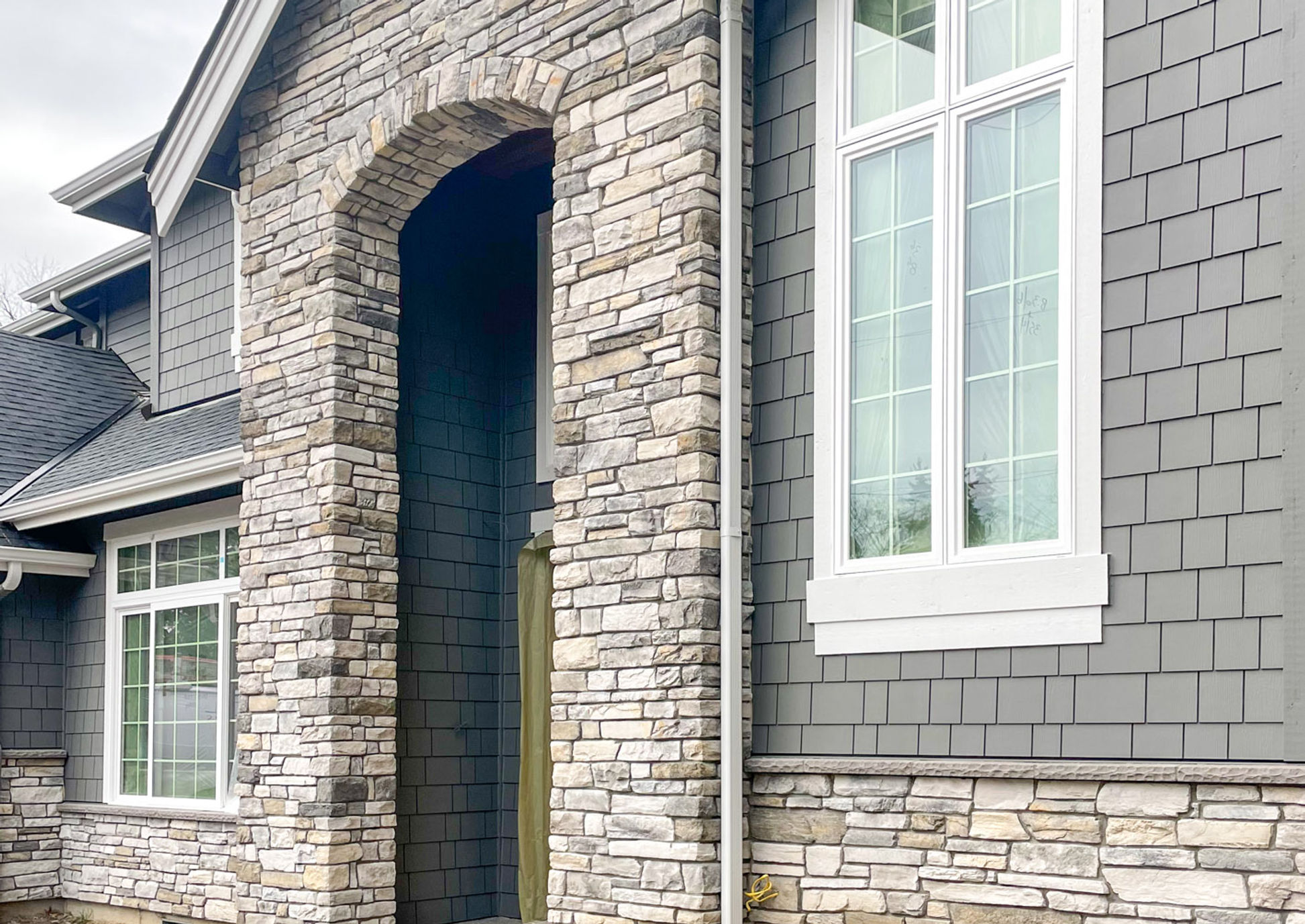


Stucco Repair Guide: Cracks, Water Damage, and Warning Signs
Stucco repair is rarely just a cosmetic question. A small crack can be harmless movement in the finish coat, or it can be the first visible sign that water is moving behind the wall. In the Seattle area, where long wet seasons are part of normal life, the difference matters.
The safest way to read stucco cracks is to look at the whole exterior: the shape of the crack, the nearby windows and doors, the roofline above it, the drainage path below it, and the way the finish meets stone, concrete, trim, or siding. A patch can hide a mark for a while, but it will not fix trapped moisture, failed flashing, or a wall that has no clean path to dry.
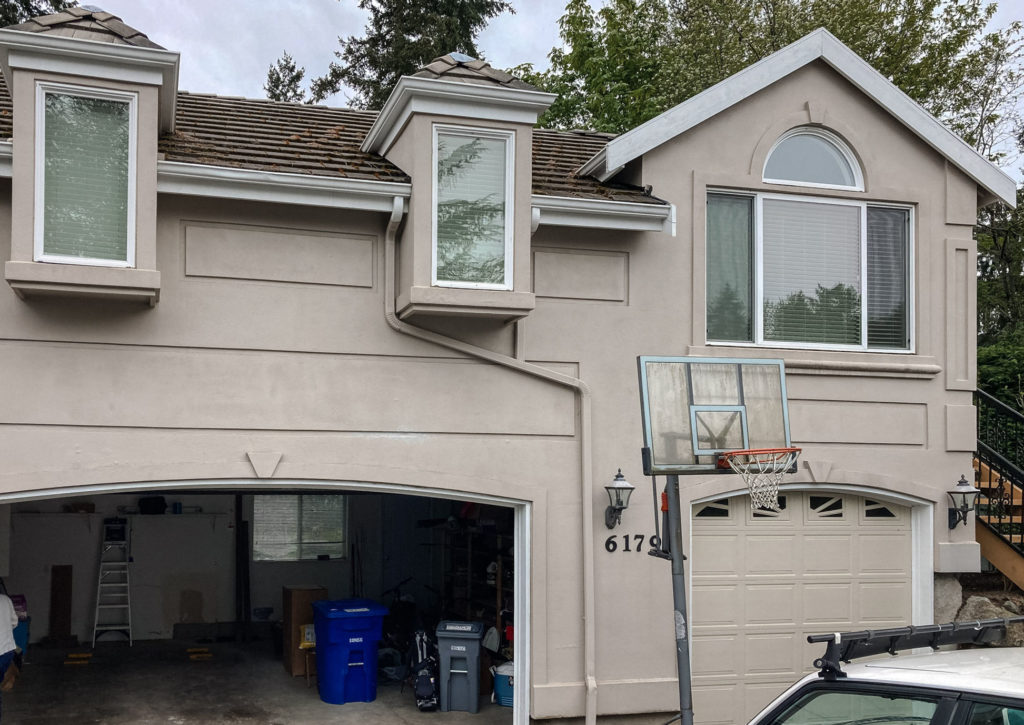
Why stucco cracks deserve a closer look
Stucco is strong, but it is not magic. It sits on a wall assembly that moves, expands, dries, gets wet, and gets hit by temperature changes. Hairline cracks may come from normal movement, shrinkage, or small stress points. Wider cracks, repeated cracks, staining, bulging, or soft areas are different. Those signs can point to water damage, poor drainage, or a repair that was made only at the surface.
Homeowners usually notice the finish first: a thin line near a window, a corner that starts to open, a patch that does not match, or a rough spot that holds dirt. A contractor looks a little deeper. Where is the water coming from? Is there a roof edge above the wall? Is the crack under a window corner? Does the stucco meet stone, concrete, or trim without a clean joint? Is the wall able to drain?
That is why exterior stucco repair should start with observation, not with a bucket of patch material. The visible crack is the symptom. The cause may be simple, or it may be hidden inside the wall.
Hairline cracks vs. stucco cracks that need repair
Not every line in stucco means the wall is failing. Still, some patterns should not be ignored.
- Hairline cracks: very thin surface lines, often caused by minor movement or curing. These still need monitoring, especially before painting or recoating.
- Diagonal cracks from windows or doors: often appear where stress collects around openings. These should be checked because openings are also common water entry points.
- Horizontal or stair-step cracking: can suggest movement, poor transitions, or stress from the wall structure behind the finish.
- Cracks with staining: a stronger warning sign because water may already be traveling through or behind the surface.
- Bulging, loose, or soft stucco: a repair issue, not just a finish issue. The surface may have separated from the base.
If a crack keeps returning after patching, the wall is telling you that the original cause is still there. A better stucco crack repair looks at the surrounding detail, not only the line itself.

Water damage behind stucco is not always visible
Stucco can look calm from the street while moisture is working behind it. That is one reason stucco water damage is expensive when it is ignored. Water often enters at weak points: window corners, roof-to-wall transitions, chimney caps, parapets, deck connections, poorly sealed penetrations, or joints where stucco meets another material.
In a wet climate, the question is not only whether water gets onto the wall. It always will. The question is whether the wall assembly can shed that water, dry out, and protect the layers behind the finish. When drainage is weak, moisture can collect where homeowners cannot see it. Over time, that can create staining, swelling, rot, failed patches, or larger facade repairs.
Some warning signs are practical and easy to spot:
- Dark staining below windows, caps, or roof edges.
- Paint or coating that bubbles, peels, or looks chalky.
- Soft stucco, hollow sounds, or areas that move under pressure.
- Cracks that widen after wet seasons.
- Interior stains near the same exterior wall.
None of those signs proves the full extent of damage by itself. They do mean the wall deserves a real stucco inspection before the next patch or coating goes on.
Why surface patching can fail
A surface patch can be useful when the crack is minor and the wall behind it is sound. It fails when the patch is asked to solve a drainage problem, movement problem, or hidden moisture problem. That is why quick repairs often look good for a season and then open again.
Good stucco repair is built in layers. The damaged or loose material may need to be removed. The base needs to be checked. The transition details may need to be corrected. Then the new material has to be blended so the repair does not read like a scar from the sidewalk.

A stucco inspection checklist before repair
Before choosing a repair method, walk the exterior slowly. The goal is not to diagnose everything from the ground. It is to understand where the risk is strongest.
- Look at window and door corners first.
- Check the wall below rooflines, gutters, caps, and decks.
- Look for staining under transitions between stucco and stone, concrete, or trim.
- Check whether the same crack has been patched before.
- Tap suspicious areas lightly and listen for hollow sections.
- Look for soft landscaping or splashback that keeps the base of the wall wet.
- Take clear photos before and after heavy rain if the problem changes with weather.
For a homeowner searching “stucco repair near me,” the right contractor is not simply the one who can patch fastest. It is the one who can explain what caused the problem and what the repair is supposed to prevent.
Repair options: patch, recoat, localized repair, or larger facade work
The right repair depends on the wall. A small isolated crack may need cleaning, flexible repair material, texture matching, and coating. A larger damaged section may need localized removal and rebuild. A wall with repeated cracking, poor transitions, or moisture signs may need broader exterior stucco repair.
Recoating can help when the surface is generally sound but tired, stained, or uneven. It is not a substitute for fixing loose stucco or water entry points. New finish over a bad base usually buys time, not reliability.

For larger exterior work, the repair also becomes a design decision. The finish should match the home, the transitions should feel intentional, and the repaired area should not look like it was added later.

What changes the cost of stucco repair
Exact pricing should come from a site visit, not a guess from a photo. Still, most stucco repair cost questions come down to a few factors:
- How much loose or damaged material has to be removed.
- Whether moisture has affected the wall behind the stucco.
- How difficult the access is.
- How closely the new texture and color need to match the existing finish.
- Whether flashing, caps, drainage, or transitions need correction.
- Whether the work is a small patch, a localized repair, or a larger facade update.
A low number is not useful if it only covers the visible crack. The better estimate explains the scope, the risk, and what will happen if hidden damage appears once the wall is opened.
Project examples from Petrus Stucco
Some projects are about making damage disappear. Others are about giving the whole exterior a cleaner finish. Ginger Repair is the clearest repair example: the new stucco work helps the older home look cared for again. Seattle Gray shows a smooth finish with a calm, weather-ready feel. Purple one is useful for understanding how exterior work around doors, glass, and terraces depends on clean detailing.
There are also projects where stucco becomes part of a broader exterior language. Lake View uses smooth stucco for a simple modern form. Japanese Garden uses smooth stucco-finished retaining walls as a quiet backdrop for landscape work.

When to call a stucco contractor
Call for a closer look if cracks are growing, staining is present, a patch keeps failing, the wall sounds hollow, or the problem is close to windows, roof edges, decks, or stone transitions. Those are the areas where water and movement usually create the most expensive surprises.
Petrus Stucco and Masonry works with stucco repair, exterior stucco finishes, masonry, and stone veneer projects across Bellevue, Seattle, and the Eastside. If you are not sure whether a crack is cosmetic or a warning sign, start with photos and a clear description of where the issue is happening.
Request an exterior stucco repair estimate or browse more stucco and masonry projects.